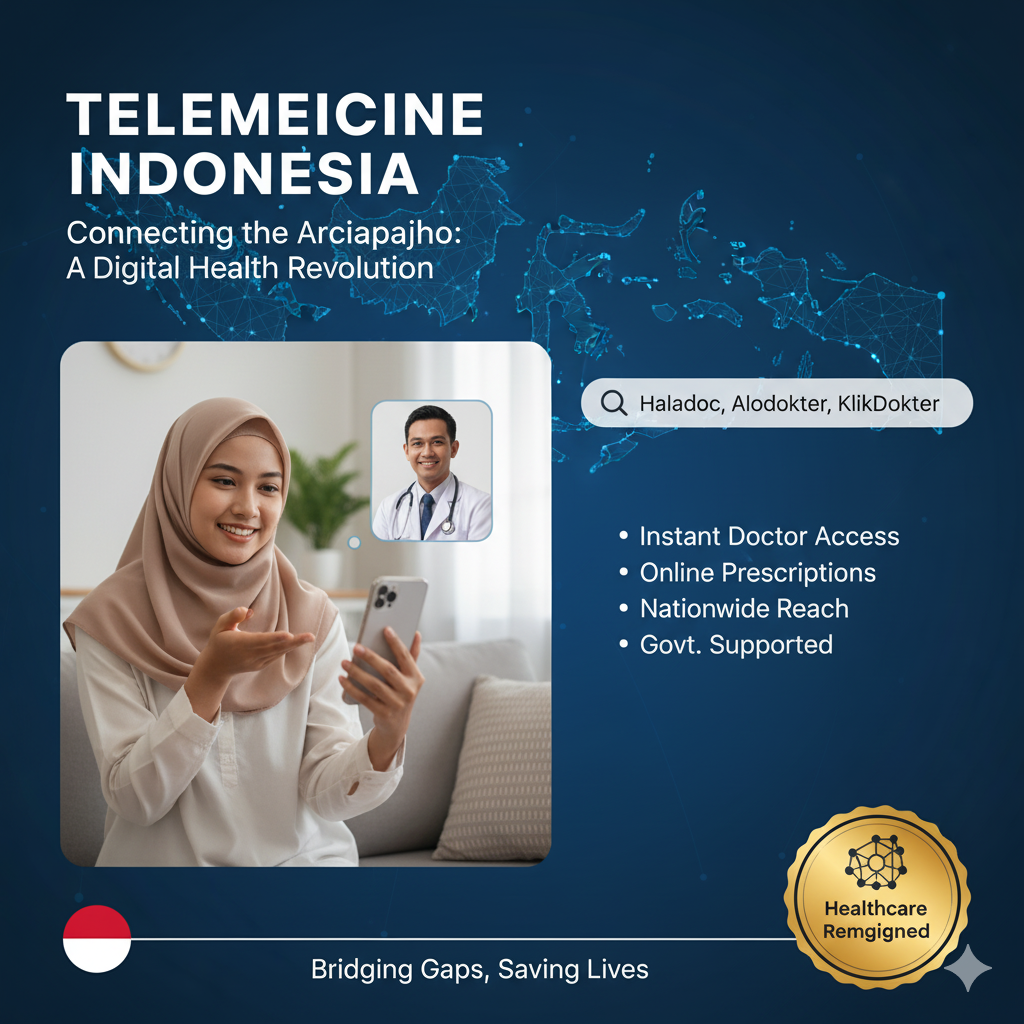
Indonesia, the world’s largest archipelago, is made up of more than 17,000 islands, each with its own unique culture, challenges, and healthcare needs. For decades, the vast geography has made equal access to healthcare a national challenge. From the remote highlands of Papua to the outer islands of Sulawesi, many Indonesians struggle to reach doctors or modern medical facilities.
But in recent years, a quiet revolution has been unfolding — telemedicine. Digital technology is transforming how Indonesians connect with doctors, get prescriptions, and access health advice. The phrase “Connecting the Archipelago: The Rise of Telemedicine in Indonesia” perfectly captures this movement, where innovation meets accessibility.
The Healthcare Challenge Across Indonesia
Accessing healthcare in Indonesia has never been easy. Many rural and remote communities face limited infrastructure, long travel distances, and a shortage of doctors. According to the World Health Organization (WHO), Indonesia has one of the lowest doctor-to-patient ratios in Southeast Asia.
In small islands, people often rely on local clinics with minimal equipment, and traveling to major cities like Jakarta or Surabaya for advanced care can take days. These challenges highlight why digital health solutions have become so crucial. Telemedicine bridges this physical divide — allowing patients and doctors to connect instantly, regardless of location.
What is Telemedicine and Why It Matters
Telemedicine refers to providing healthcare services remotely using digital communication tools — such as video calls, mobile apps, and online consultations. It enables doctors to diagnose, prescribe, and monitor patients without face-to-face meetings.
In a country like Indonesia, where connectivity is improving rapidly thanks to 4G networks and affordable smartphones, telemedicine has found fertile ground. With just a mobile phone and internet connection, even those in remote villages can now reach medical professionals hundreds of miles away.
This technology isn’t just convenient — it’s life-changing. It reduces travel costs, saves time, and ensures people can get medical advice during emergencies, epidemics, or natural disasters.
The Digital Health Boom in Indonesia
Over the past few years, Indonesia has seen a remarkable rise in health-tech startups. Companies like Halodoc, Alodokter, KlikDokter, and Good Doctor have transformed the healthcare landscape.
- Halodoc allows patients to chat with doctors 24/7, order medications online, and even book lab tests — all through a single app.
- Alodokter connects millions of Indonesians to general practitioners and specialists while offering health information in Bahasa Indonesia.
- Good Doctor, in partnership with GrabHealth, integrates medical services with one of Southeast Asia’s largest ride-hailing apps, making healthcare more accessible than ever.
These platforms collectively serve millions of users, showing how telemedicine has become an essential part of everyday life. The COVID-19 pandemic further accelerated adoption, as hospitals were overwhelmed and social distancing made in-person consultations difficult.
Government Support and Policy Development
The Indonesian government recognizes telemedicine as a key solution to achieving universal health coverage (UHC). Through initiatives under the Ministry of Health (Kementerian Kesehatan), digital health platforms are being integrated into the national healthcare system.
The government is also working to ensure telemedicine complies with national regulations and medical ethics. The BPJS Kesehatan (Indonesia’s national health insurance) has begun exploring digital healthcare partnerships to reach more citizens efficiently.
Moreover, the government is investing heavily in improving internet infrastructure, particularly in Eastern Indonesia, where connectivity remains limited. These efforts aim to create a strong digital backbone that supports the growing telemedicine industry.
Benefits of Telemedicine for Indonesians
The rise of telemedicine in Indonesia brings multiple benefits:
- Accessibility – Patients in remote areas can connect with qualified doctors anytime, anywhere.
- Affordability – Digital consultations are often cheaper than in-person visits, reducing costs for both patients and providers.
- Efficiency – Shorter waiting times and easy prescription refills make the healthcare process smoother.
- Preventive Care – Telemedicine promotes regular health monitoring and early detection of diseases.
- Health Education – Many apps offer credible health information, empowering users to make informed decisions.
For busy urban residents, it’s a time-saver. For people living far from hospitals, it’s a lifeline.
Challenges Ahead
Despite its rapid growth, telemedicine in Indonesia still faces several challenges.
- Internet Connectivity: Some regions lack reliable internet access, limiting the reach of digital healthcare.
- Digital Literacy: Older generations and low-income users may struggle with app-based consultations.
- Regulatory Framework: Clear guidelines for telemedicine practice and patient data protection are still being developed.
- Trust and Awareness: Many people still prefer face-to-face consultations, making education and trust-building vital.
Solving these issues will require cooperation between the government, tech companies, and healthcare professionals.
The Future of Telemedicine in Indonesia
The future looks bright. Indonesia’s young, tech-savvy population is driving digital health adoption faster than ever before. With continued investment in technology and infrastructure, telemedicine could soon become a standard healthcare service — not an alternative.
Emerging technologies like AI diagnostics, wearable health devices, and remote patient monitoring are expected to enhance telemedicine even further. Imagine a future where a person on a remote island can receive AI-assisted medical screening and instant prescriptions without leaving their home — that’s where Indonesia is headed.
The vision behind “Connecting the Archipelago: The Rise of Telemedicine in Indonesia” is becoming a reality. Telemedicine is not just a temporary trend; it’s a long-term transformation redefining healthcare across the nation.
Conclusion: A Connected Future for Health
From Jakarta’s bustling streets to the quiet corners of rural Sumatra, telemedicine is revolutionizing healthcare access. It’s closing the gap between doctors and patients, cities and villages, islands and the mainland.
The rise of telemedicine in Indonesia is more than just technological progress — it’s a story of inclusion, innovation, and hope. By embracing digital healthcare, Indonesia is proving that no island is too far and no patient too remote to receive quality medical care.
As technology continues to advance, one thing is clear — connecting the archipelago through telemedicine is transforming Indonesia’s healthcare future, one click at a time.